
Mobile Energy Storage for Sites the Grid Cannot Serve Fast Enough
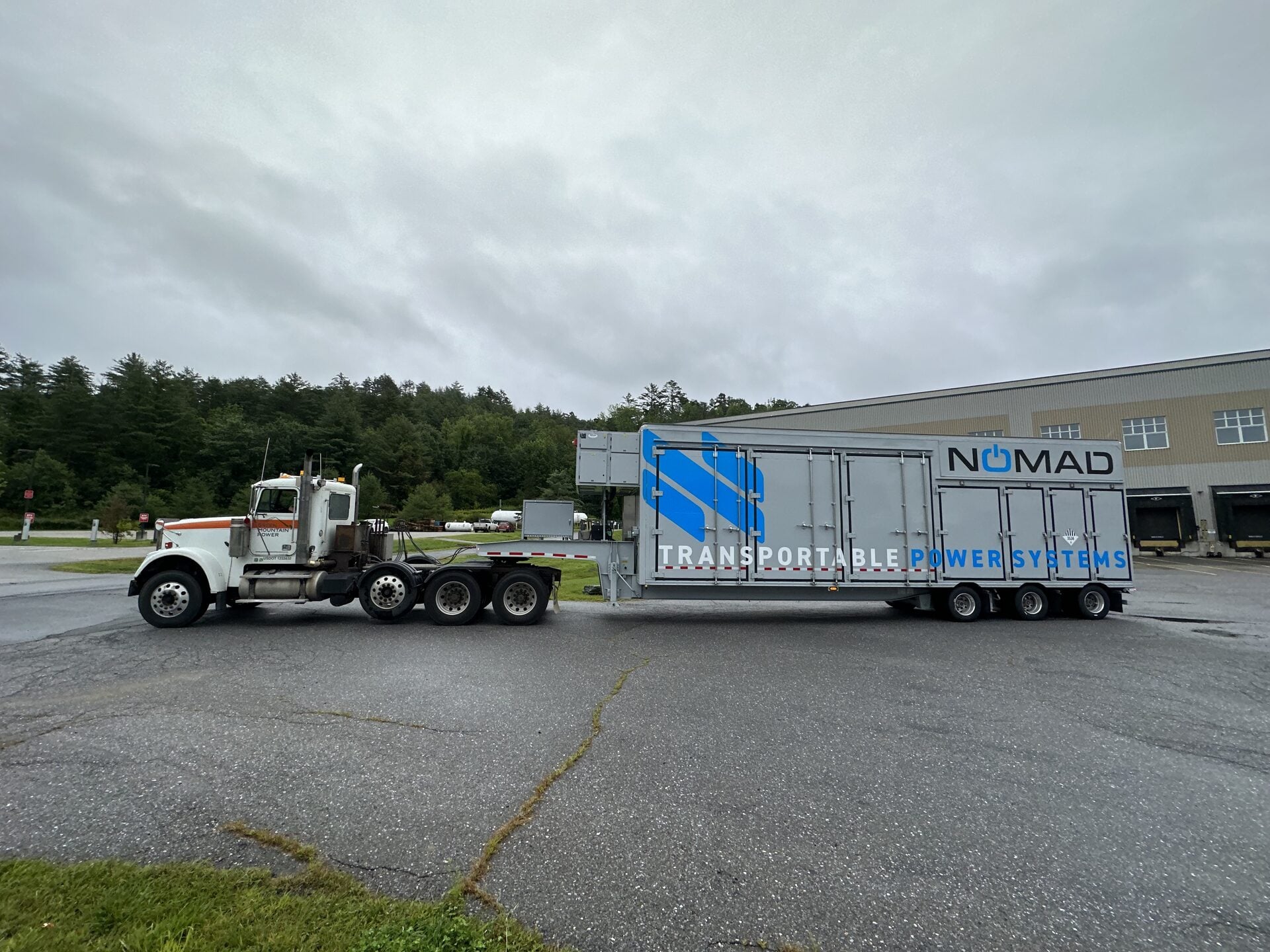
GEL delivers transportable, utility-scale battery energy storage to mines, utilities, industrial operators, and remote communities across Ontario. Each unit arrives on a trailer, connects in under one hour, and provides clean, silent power where permanent infrastructure is years away or not coming at all.
Discuss Your ProjectPower Is the Next Infrastructure Constraint
Across Ontario, and especially in the North, electrical capacity has become as limiting as water and wastewater servicing. Mines wait years for transmission. Remote communities depend on diesel that is trucked or flown in. Industrial customers pay heavily for a handful of peak hours each year. Utilities need capacity during maintenance windows, outages, and seasonal peaks.
Permanent infrastructure takes years to permit, fund, and build. Mobile energy storage can be on site and working in an afternoon, and it can move when the need moves.
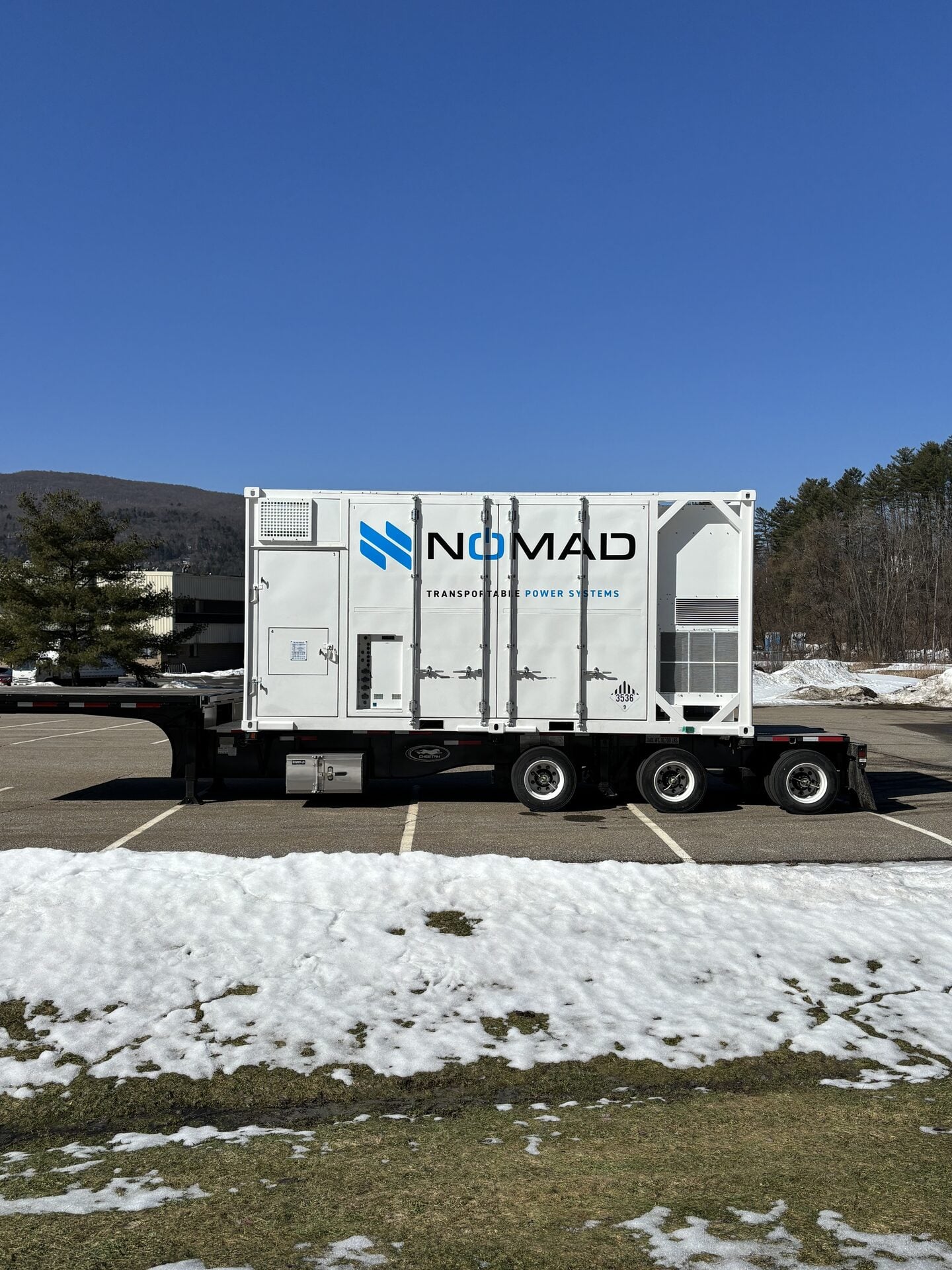
The Platform: NOMAD Voyager
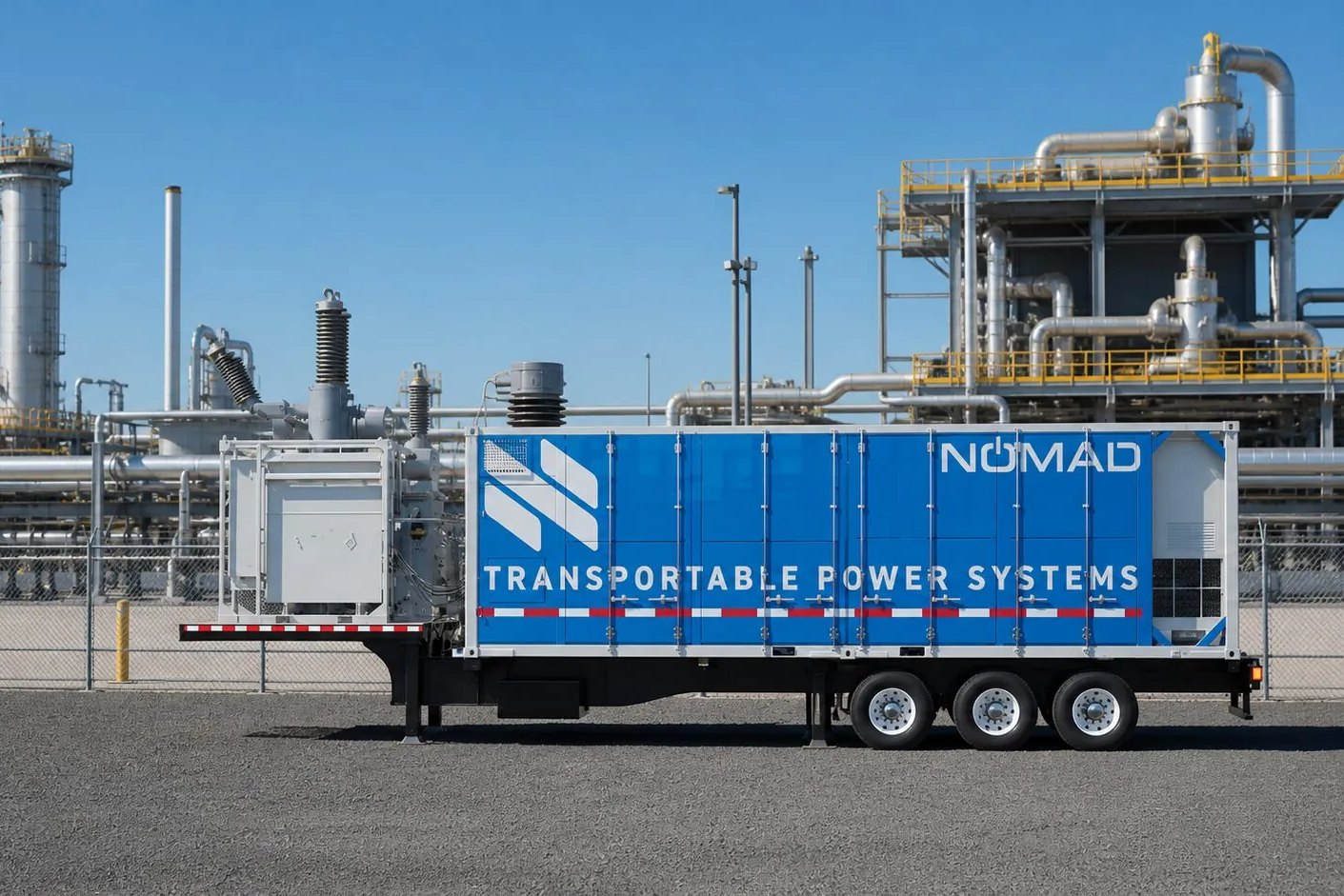
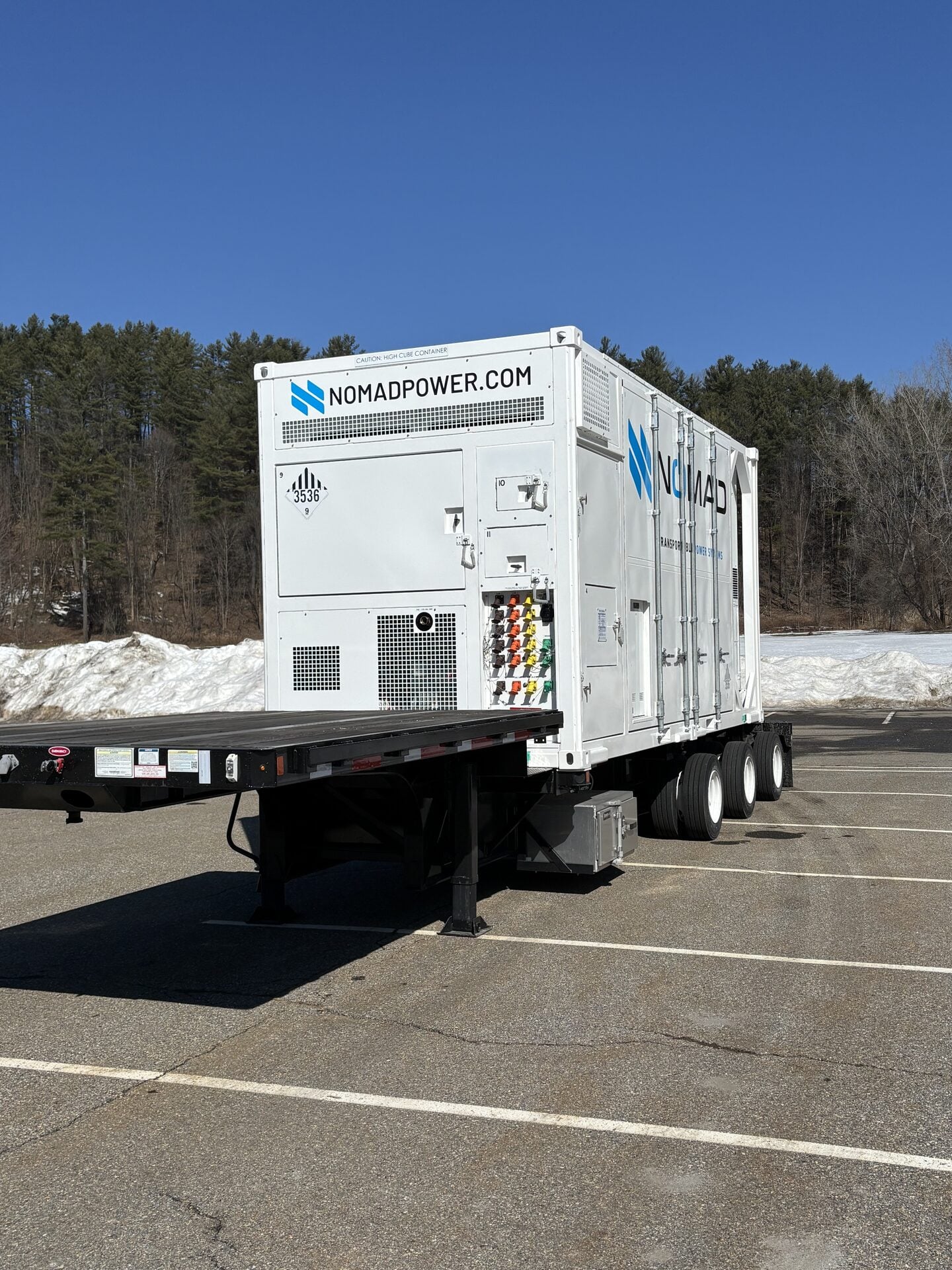
The Voyager series from NOMAD Transportable Power Systems is a family of transportable battery energy storage systems built on lithium iron phosphate (LFP) chemistry. Each unit is a 20 foot containerized system mounted on a semi trailer, designed to be operating within one hour of arrival with no civil works and no permanent footprint. Every deployed unit is monitored around the clock by NOMAD’s Network Operations Center.
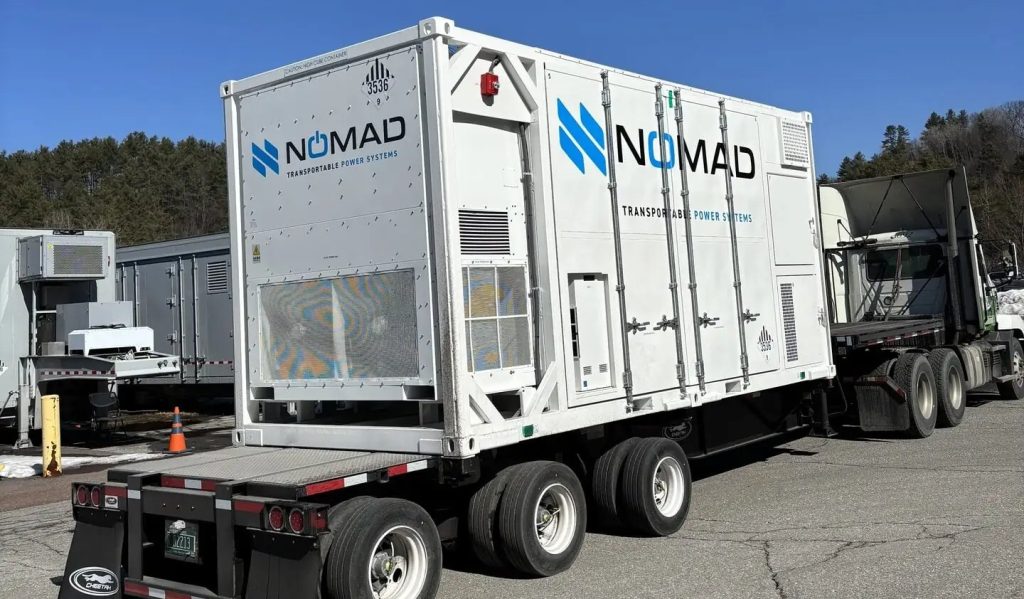
Voyager Eagle
High power in a compact footprint. Suited to grid services, large industrial loads, and capacity shortfalls.
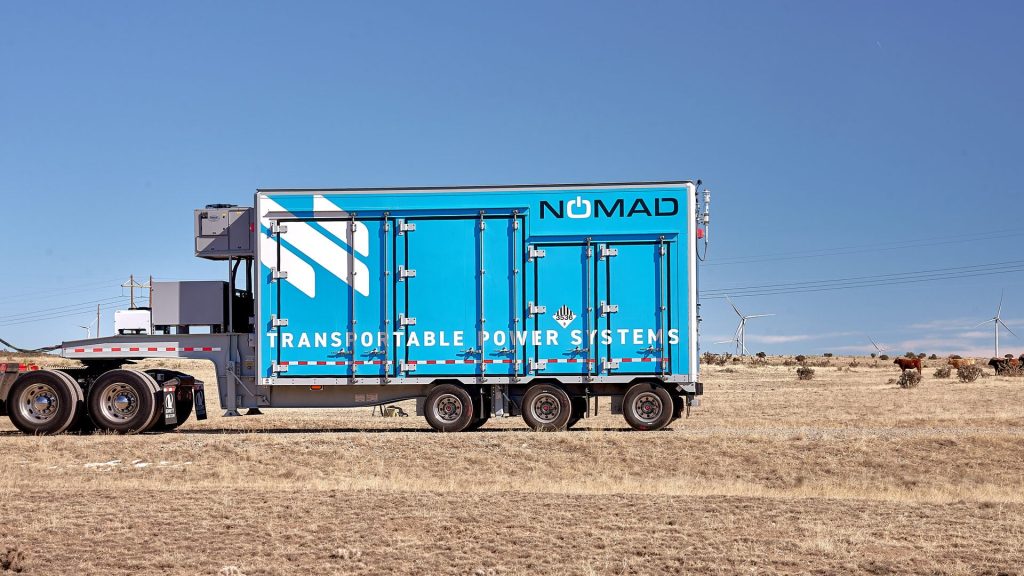
Voyager Falcon
Extended duration for peak shaving, load shifting, diesel hybrid operation, and renewable integration.
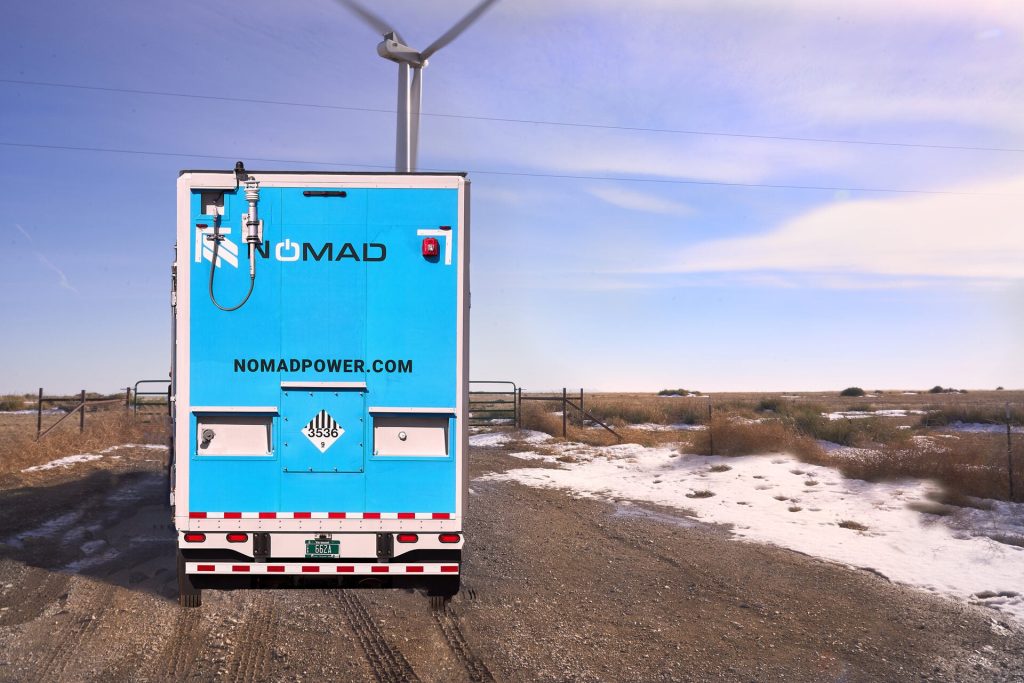
Voyager Hawk
A lighter unit for construction power, events, and emergency backup.
What Mobile Storage Solves
Most projects start with one of six problems.
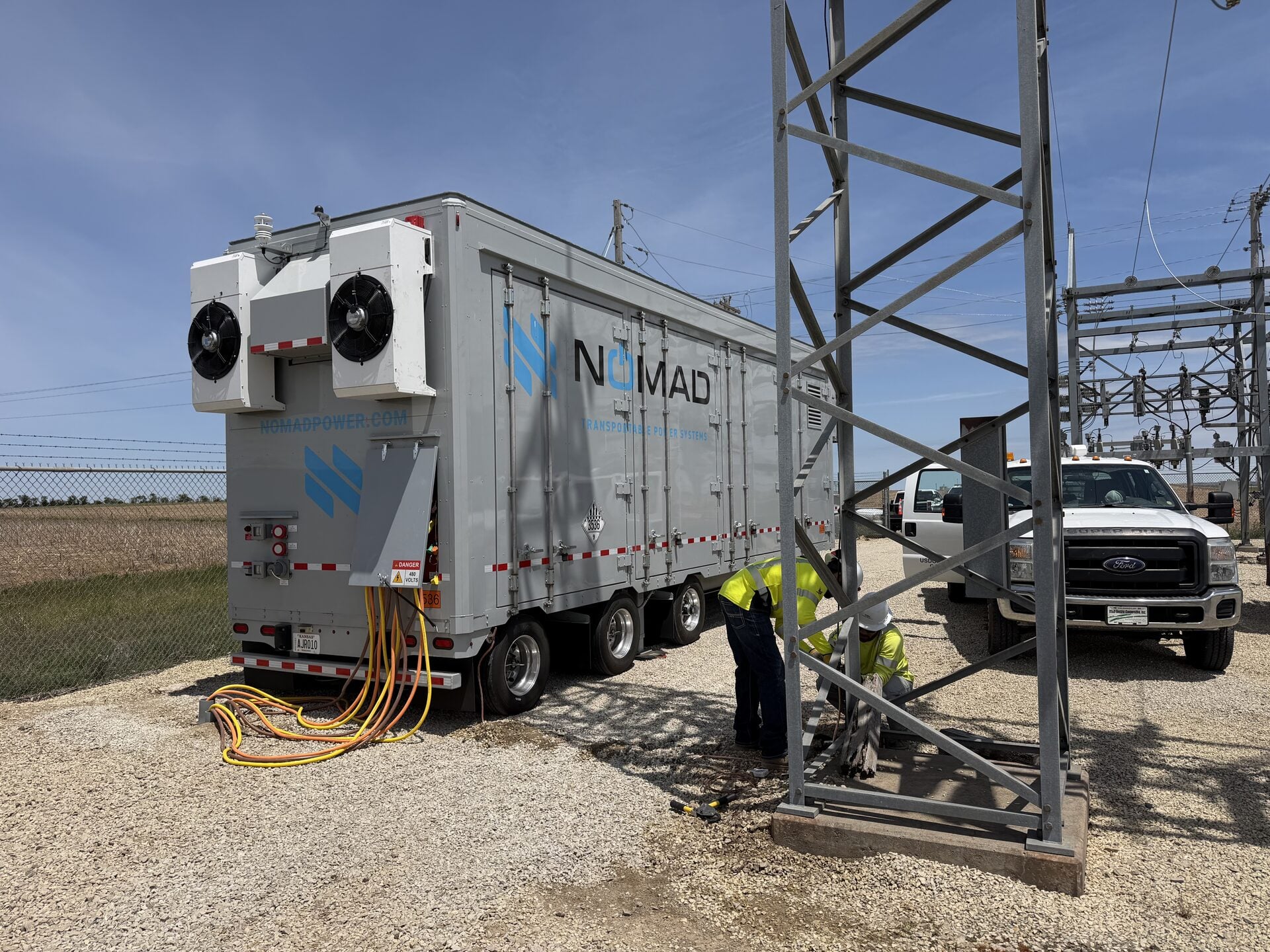
Capacity Shortfalls
When the local utility cannot supply enough power, or an upgrade is years away, a Voyager unit adds megawatt-scale capacity behind the existing service. It charges when power is available and discharges to cover the gap.
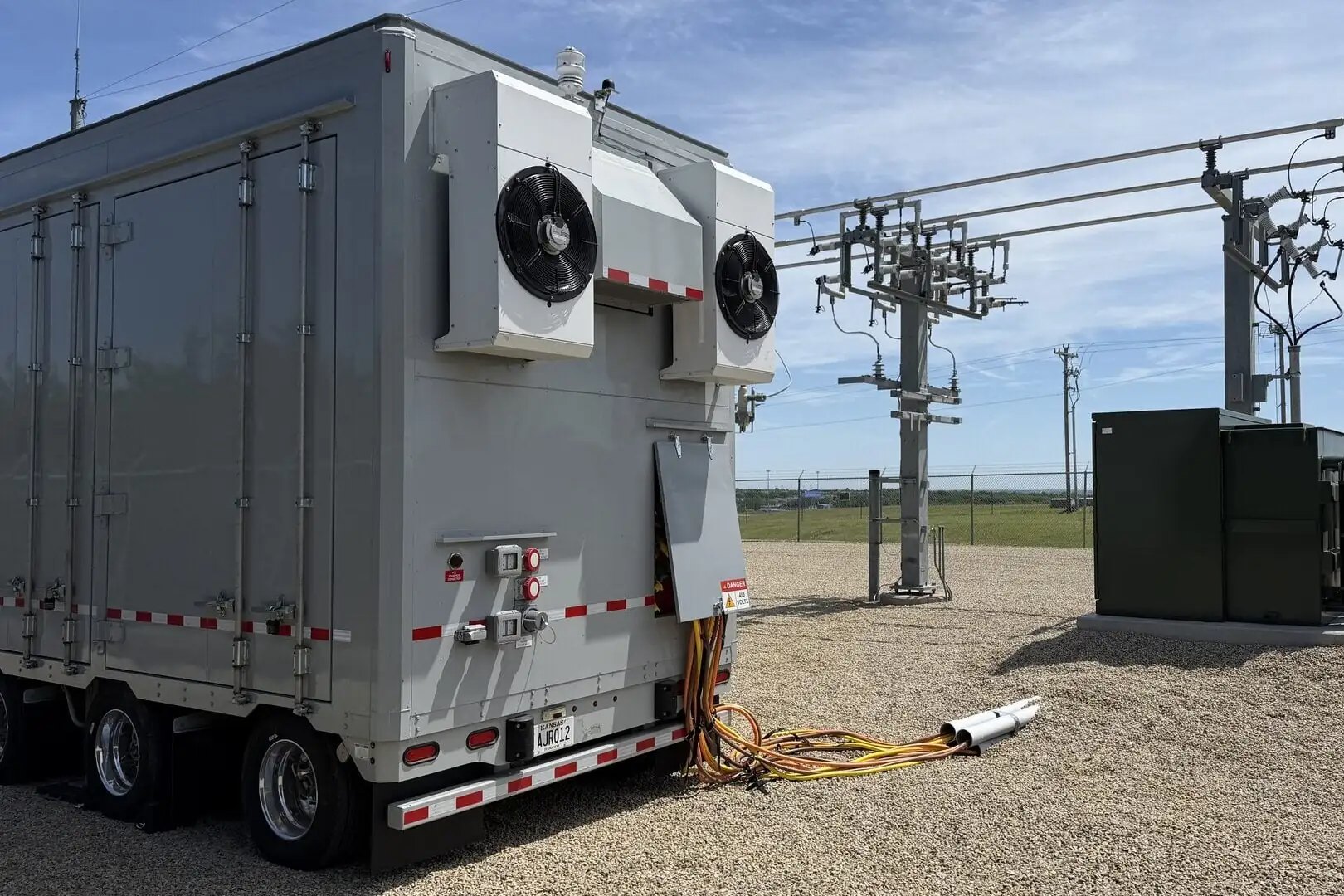
Peak Demand Costs
A few short peaks can set a large share of an annual electricity bill, including Global Adjustment exposure for Ontario’s Class A consumers. Stored energy discharged during those intervals flattens the demand curve without capital tied up in fixed equipment.
Diesel Dependence
At off-grid mines and communities, pairing storage with existing generators lets engines run at efficient load or shut down for periods. The result is less fuel burned, fewer fuel deliveries, fewer maintenance hours, and less noise and exhaust.
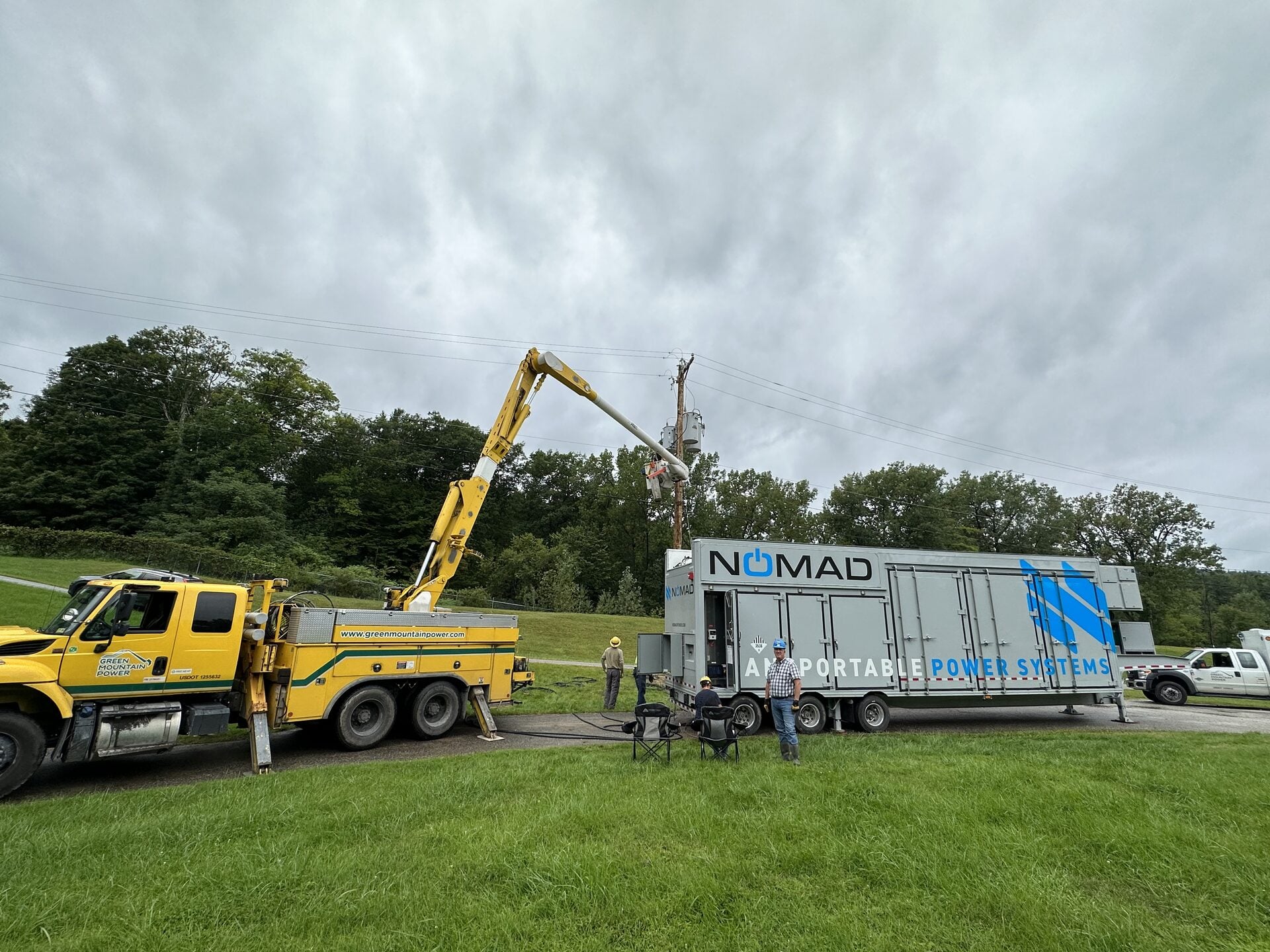
Outages and Planned Maintenance
Units can be positioned ahead of a planned outage or dispatched after a storm to keep critical loads energized while repairs are completed.
Power Before Infrastructure
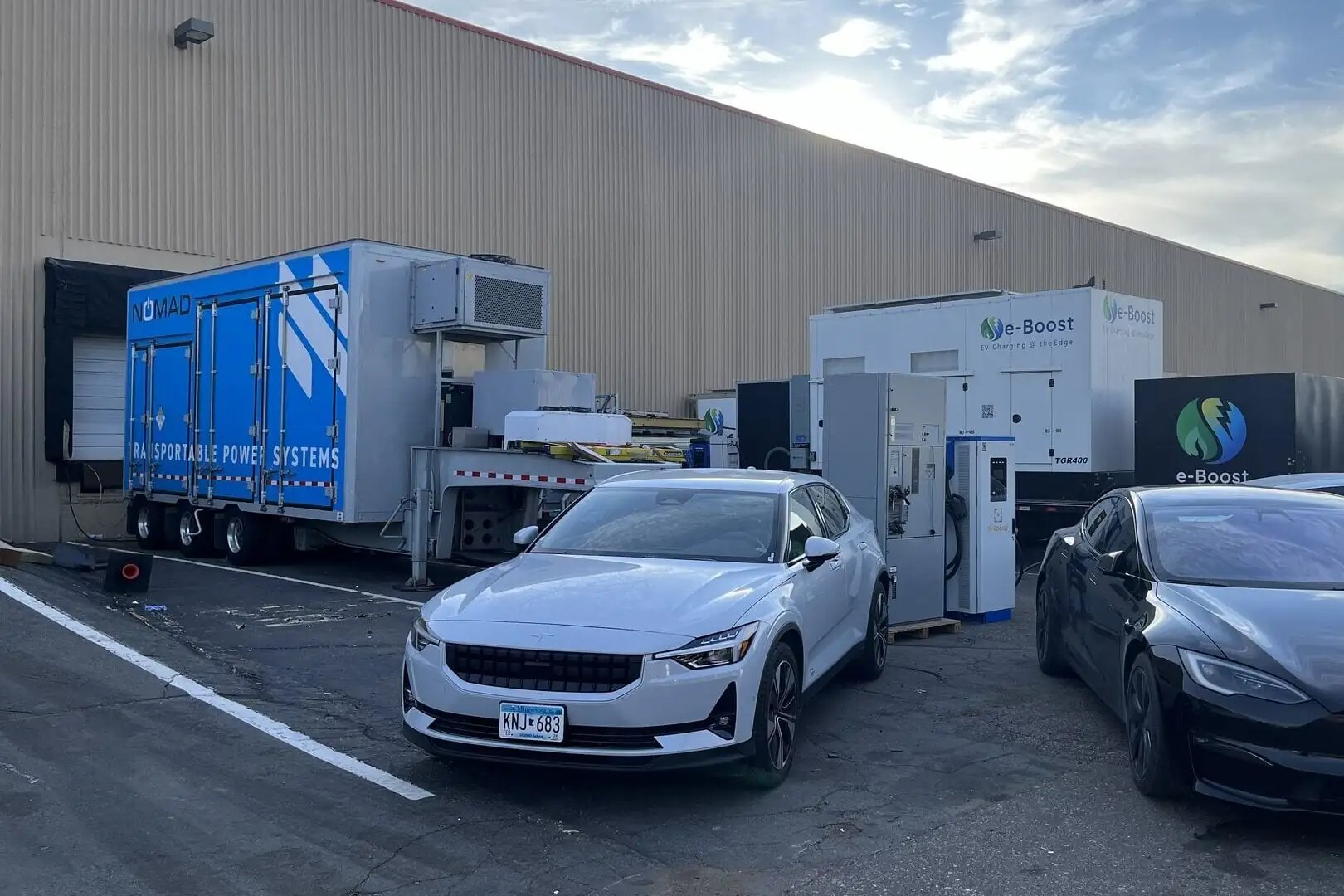
Construction sites, new facilities, and EV charging depots often need real power long before permanent service is energized. Mobile storage bridges that period and then moves to the next site.
Renewable Integration
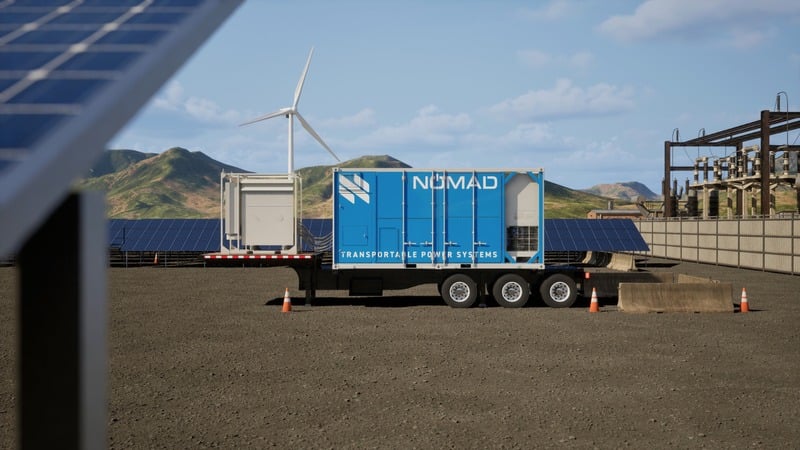
Storage firms up solar and wind output, captures energy that would otherwise be curtailed, and smooths the swings that come with changing weather.
Why Mobile Instead of Fixed
- Speed. Operating within one hour of arriving on site, with no civil works.
- Flexibility. A relocatable asset that can follow seasonal loads, move between sites, or leave when permanent service arrives. No stranded infrastructure.
- Safety. LFP chemistry, chosen for thermal stability and long cycle life. NOMAD states that every platform is UL 9540A tested.
- Oversight. Real-time telemetry, remote diagnostics, and performance optimization through NOMAD’s Network Operations Center, 24 hours a day.
- Clean and quiet. No on-site emissions and near-silent operation, which matters in communities, camps, and work sites.
How GEL Delivers Energy Storage
Assess
Load data review, site conditions, interconnection requirements, system sizing, and project economics.
Deploy
Coordination of supply, logistics, site preparation, interconnection, and commissioning with NOMAD’s engineering team.
Support
Ongoing performance review, continuous monitoring, and redeployment as site needs change.
One point of contact from the first load profile through long-term operation.
Commercial Options
Voyager systems are available through direct purchase, rental, and energy as a service arrangements, depending on the project. GEL works with each customer and with NOMAD to identify the structure that fits the term, the load, and the capital plan.
Water, Wastewater, and Power Through One Accountable Model
The communities and operators GEL serves face the same constraint on every front: infrastructure that is too far away, too slow to arrive, or too costly to extend. GEL addresses water, wastewater, and power through the same accountable model, with regional delivery across Northern Ontario through GEL North.
Technology Partner
GEL offers the Voyager platform in Ontario in partnership with NOMAD Transportable Power Systems, Inc., a wholly owned subsidiary of NOMAD Power Solutions Inc. (NASDAQ: NMAD). NOMAD systems are engineered and built in Vermont and are in service with utilities, EV charging operators, and event operators across North America.
 Technology partner
Frequently Asked Questions
What is mobile battery energy storage?
How quickly can a unit be deployed?
Can it work with existing diesel generators or solar?
Does it require permanent infrastructure?
How is the system monitored?
Where does GEL offer this service?
Discuss Your Power Requirements
Tell us about your site, your load, and your timeline. GEL will review the data and come back with a sized system and a commercial structure that fits.
Talk to Our Team